
Home /Industries / Automotive
Smart Pallets For Automotive
Smart Pallets for the Automotive Industry, Built for Just-in-Sequence Supply Chains
Just-in-time (JIT) and just-in-sequence manufacturing runs on a closed loop of returnable packaging. When that loop breaks, the cost isn't a late shipment - it's a stopped assembly line.
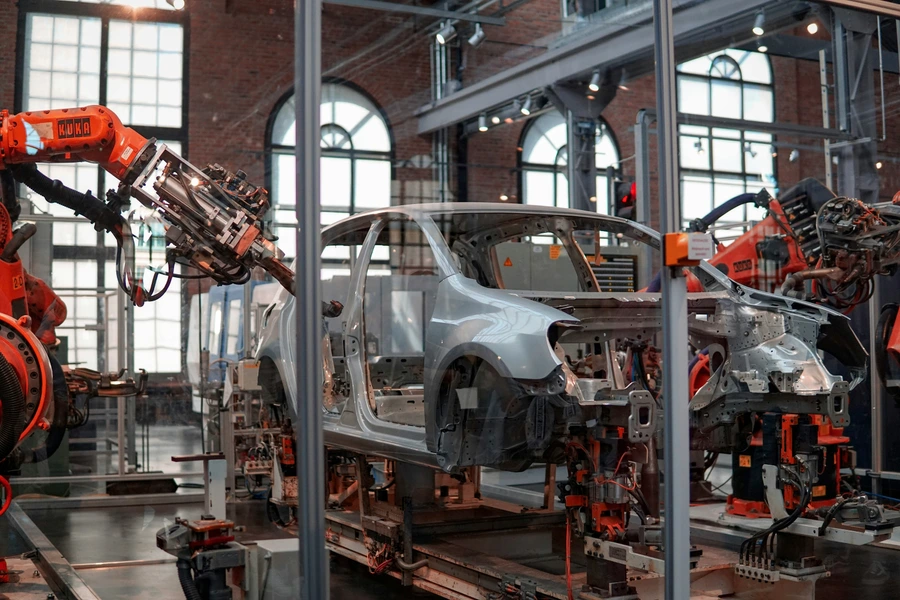
The Challenges In Automotive
Automotive manufacturing runs on just-in-time and just-in-sequence delivery, where parts arrive exactly when - and in the exact order - the line needs them to be predictable. That model depends on a dedicated loop of returnable packaging cycling constantly between suppliers and plants. A gap in that loop, whether from damage, loss, or a demand spike tied to a new model launch, doesn't just delay a shipment; it can stop the line.
Line stoppage risk
A shortage of empty, ready containers at the wrong moment can halt assembly, one of the most expensive failures in manufacturing.
Closed loops per part number
Automotive components often originate from different locations, multiplying the fleet a plant must manage.
Volume swings with model cycles
A new model launch or a parts shortage can swing container demand sharply with little lead time.
Damage costs add up fast
One scratch can mean wasted material and thrown-away money.
How Adaptive Pallet Solutions Solves Your Automotive Industry Challenges
Simplified logistics as APS manages the repair and retrieval and dispatch across multiple plants.
Recycled HDPE plastic smart pallets are 30% lighter than wood, saving on transportation costs per truckload.
The Pulse platform provides end-to-end visibility that flags a thinning container loop before it becomes a line stoppage, giving time to react instead of reacting after the fact.
No rough edges and splinter-free, providing component protection and preventing production disruption.
Why Automotive Teams Choose Adaptive Pallet Solutions
- Multi-plant fleet managementRun one tracked fleet standard across several manufacturing sites.
- JIT/JIS loop managementDedicated, tracked pallets keep a returnable packaging loop cycling on schedule.
- Line-stoppage preventionEarly visibility into a shrinking container pool before it reaches the line.
- Model launch scalingAdd pallets quickly for a new program without a capital purchase.
Questions Automotive teams ask
What Pallet Spec Do Automotive Programs Use?
What Data Comes Off the Pallet?
Who Handles Retrieval, Repair and Recycling?
Do We Buy the Pallets or Lease Them?
How Long Before the First Pallets Are Moving?
Scope a Automotive program
Tell us the lanes and the regime you answer to, and an APS expert comes back with the sector detail rather than a generic deck.
Talk to an APS expert
Ready To See What A Tracked Fleet Would Tell You?
Send us the lanes, the volumes and the compliance regime you answer to. An APS expert comes back with a program scoped to your operation, not a generic deck.