
Smart Pallets
Intelligence At The Foundation
Of Your Supply Chain
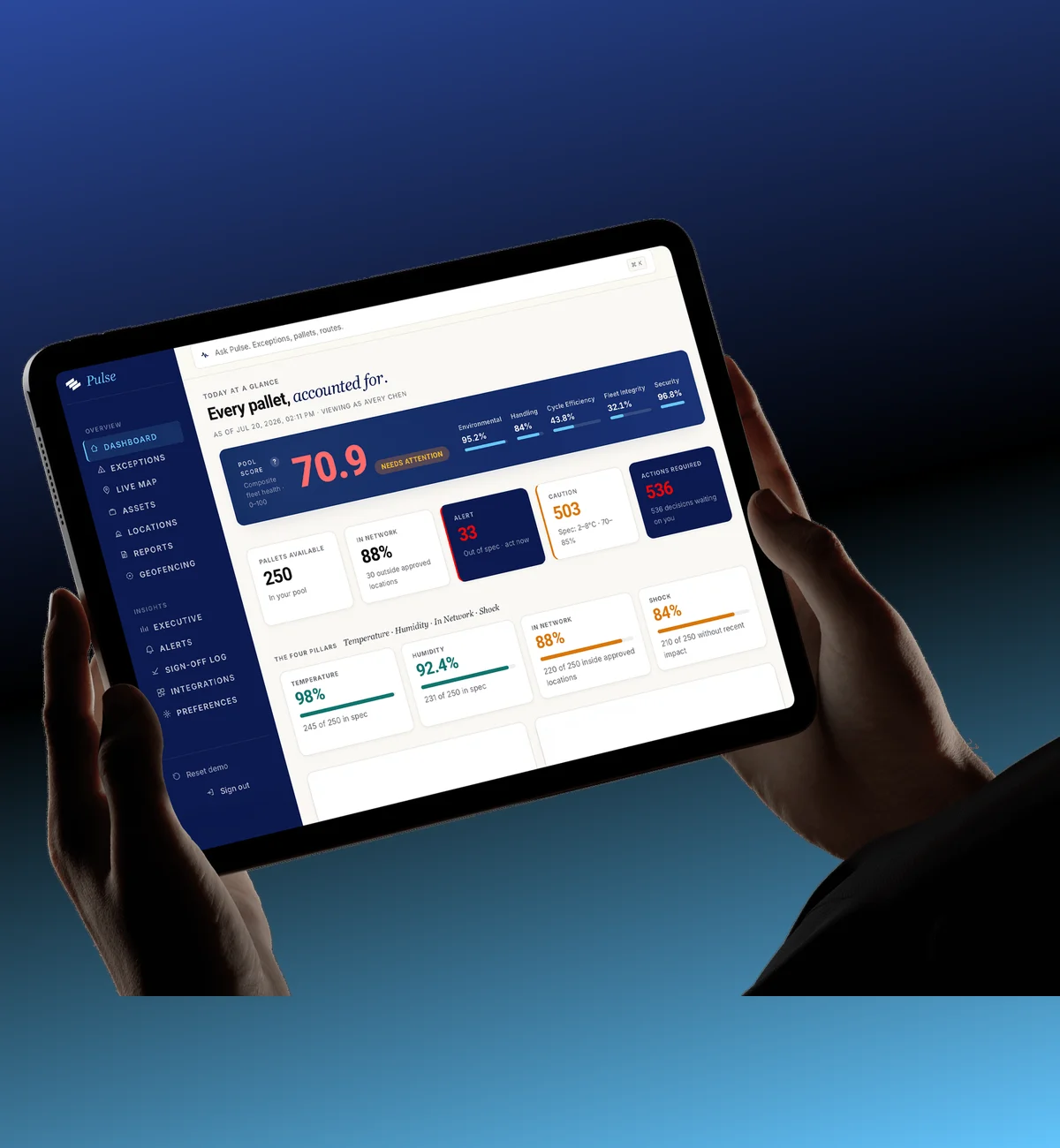
A 100% recycled plastic pallet with sensors built in, leased as a managed program for closed-loop partners. Every pallet monitors and reports by exception, so the asset that touches every node in your network finally speaks up when it matters.
10XMore durable than wood
+30%Lighter than multi-use wood pallets
+70%Reduction in cost per use vs wood
Smart Pallets
A Smarter Pallet Standard For Modern Supply Chains
Wood was built for manual handling and limited visibility. A leased APS fleet is built for automated operations, audited compliance, and data you can act on.
A Better Pallet Standard
Wood pallets were built for a different era, one defined by manual handling and limited visibility. Plastic offers superior durability, hygiene and lifecycle performance for today's automated operations.
Reliability In a Compliance-First Era
Food safety laws, pharma regulations and global export rules are stricter than ever. Plastic pallets are uniform, non-porous and splinter-free, unlike wood, which can harbor pests, moisture and bacteria.
Designed For Insight
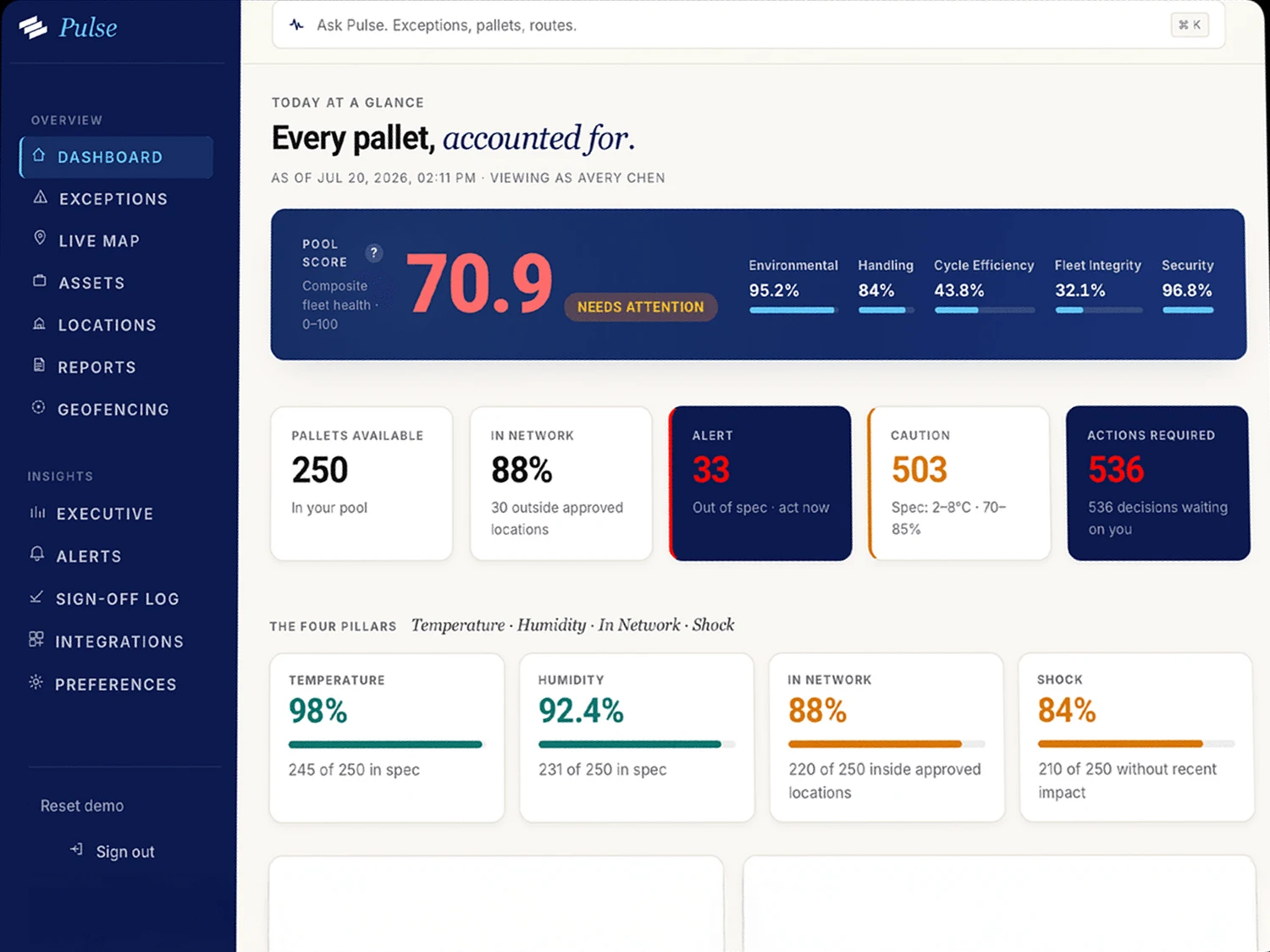
Pallets become data-generating assets capturing real-time signals on location, condition and dwell. That pallet-level intelligence fuels analytics that reduce loss and improve flow.
Sustainability With Accountability
With Scope 3 emissions under investor and regulatory scrutiny, pallets are no longer invisible. Lighter pallets that last 10x longer cut fuel burn and landfill waste, with recovery data you can audit.
The Pulse platform
Ground Truth, From The Pallet Up
Adaptive pallets are designed as connected infrastructure. Each pallet continuously captures data on movement and condition, turning previously invisible activity into operational insight across the network.
Asset Tracking & Tracing
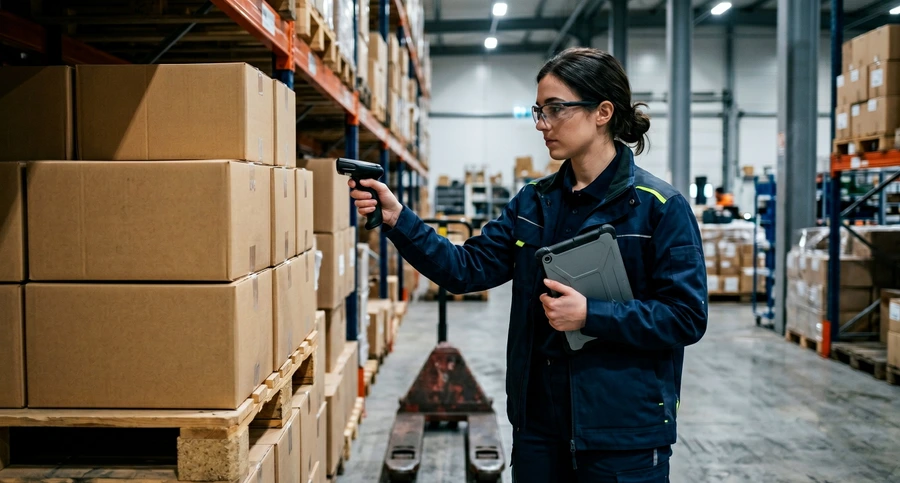
Know where pallets are, where they have been, and where they go missing - establishing a clear chain of custody, reducing shrink, supporting audits, and strengthening risk management across sites and partners.
Condition Monitoring
Monitor environmental and handling conditions throughout movement to support quality assurance and protect product integrity. Proactively identify risk, prevent quality issues, and reduce claims, write-offs, and downstream disputes.
Lifecycle Intelligence
Understand how pallets actually move across facilities and lanes to uncover dwell, congestion, and handoff delays - unlocking throughput, improving utilization, and eliminating hidden inefficiencies across the network.
Exception Reporting
Surface the few events that actually matter - so teams can act quickly, resolve issues early, and prevent small exceptions from becoming operational risks.
Industries
One Platform Designed For Your Individual Program Needs
Each program is shaped by the compliance regime and the failure mode of the sector it serves.
01
Pharma & Life Sciences
Built for GDP-aligned handlingBatch-level traceability on pallets that replace the contamination risk of porous wood with a documented record regulators can review.
02Cold Chain Logistics
Built for temperature-sensitive monitoringOnce a pallet hands off to a carrier, most shippers lose visibility until it arrives, intact or not. Embedded tracking keeps that thread live.
03Food & Beverage
Built for FSMA and HACCP complianceWood pallets force a tradeoff between sanitary and fast. This one does not make you choose.
04Consumer Goods
Built for retailer visibilityBig-box retailers deduct for damaged, mislabeled or non-compliant pallets before the invoice is ever questioned. A tracked fleet removes the problem.
05Automotive
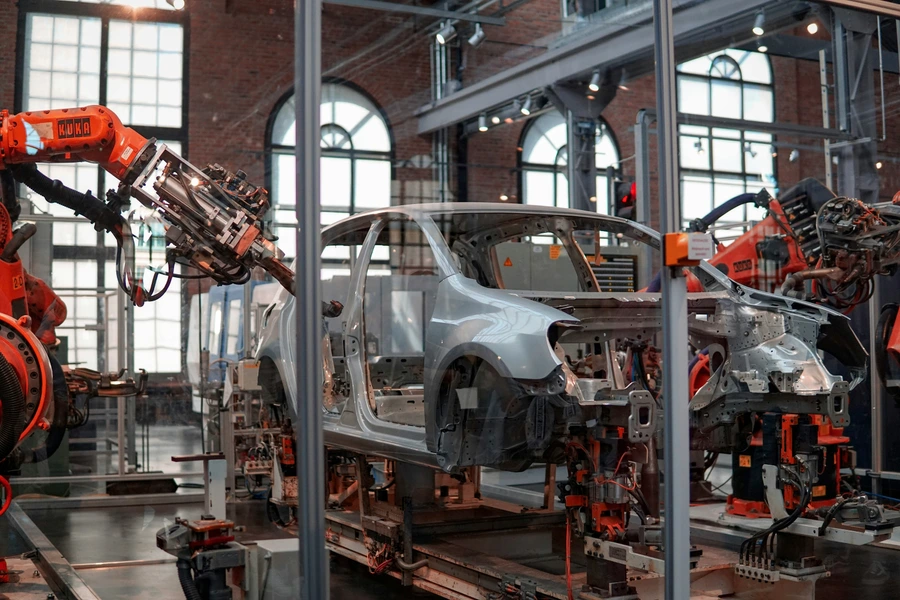
Built for just-in-sequence supply chainsJust-in-time manufacturing runs on a closed loop of returnable packaging. When the loop breaks, the cost is not a late shipment, it is a stopped line.
06Health & Wellness
Built for cGMP-adjacent standardsBrands that scale like consumer goods but answer to quality standards closer to pharma. A leased, tracked fleet keeps pace with both.
07Aerospace & Defense
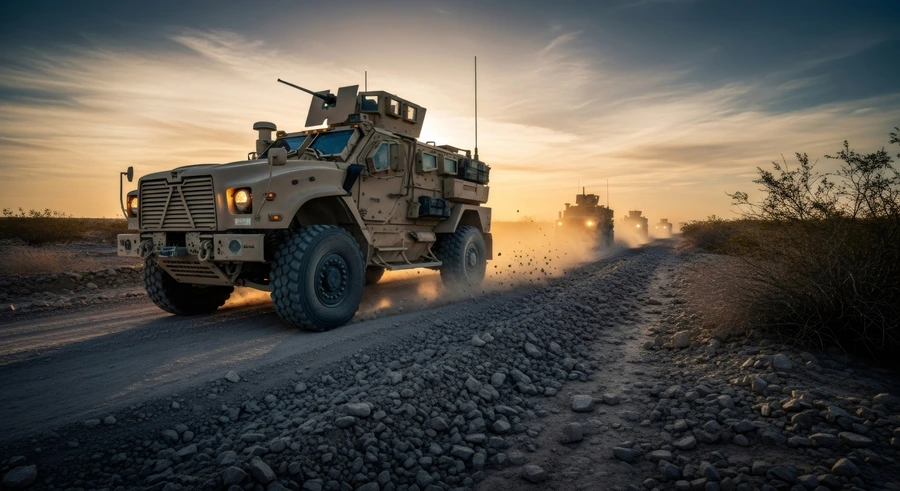
Built for auditable chain of custodyDurable pallets engineered for heavy, irregular industrial loads, leased in a way that fits contract-based funding instead of fighting it.
08Your sector
Closed-loop programs are designed per sector. If yours is not here, an APS expert will scope it with you.




How it works
From Setup To Sustainability In Six Steps
We make it easy to integrate APS pallets into your operations, with flexibility built into every stage. From setup to sustainability in six simple steps.
02
Design
Translate operational objectives into a tailored program complete with measurable KPIs, accountability, and meaningful data.
Let's Talk05
Analyze
Correlate exposure data with operational outcomes to identify patterns and risk drivers.
Let's TalkFAQ
The Questions That Decide The Pilot
Straight answers on infrastructure, ownership, leasing and end of life.
Does This Require New Infrastructure?
No. The sensor reports over existing cellular and Bluetooth networks. No fixed readers, no dock hardware, no WMS overhaul.
How Is This Different From an RFID Tag or a Bolted-On GPS Tracker?
Pulse is the platform, and the sensor is embedded in the pallet rather than bolted onto it. An RFID tag gives you a ping when a pallet passes a reader, and a GPS unit has to be attached and set up to connect before it reports anything at all. The APS sensor works out of the box and streams temperature, humidity, shock and more in real time, so what you get is condition monitoring, not tracking alone.
What Happens If a Sensor Is Damaged or Stops Reporting?
A missing report is itself a signal. Pulse flags the gap so you know to investigate, rather than silently losing visibility on that pallet.
Who Owns the Data?
You do. Pulse is your record of custody, condition and location, available to export or integrate into your own systems at any time.
Do We Buy the Pallets or Lease Them?
Lease. APS designs and manages a custom pallet program for your closed loop, so the fleet stays an operating cost matched to what you actually move rather than a capital purchase you have to depreciate and replace.
How Do Plastic Pallets Change Our Export Paperwork?
ISPM-15 heat treatment and stamping apply to wood packaging material. Plastic pallets sit outside that regime, which takes an entire class of border delay and fumigation cost off the table on international lanes.
What Happens to a Pallet at the End of Its Life?
It goes back into the loop. The pallets are made from 100% recycled plastic and are recovered and recycled again at end of life, with the recovery and recycling data available for your Scope 3 reporting.
Resources
Featured Blogs


The Costs You Cannot See Are The Ones You Keep Paying
Put your own numbers into the savings calculator and see the financial and environmental impact of your current pallet program.
Talk to an APS expert
Ready To See What A Tracked Fleet Would Tell You?
Send us the lanes, the volumes and the compliance regime you answer to. An APS expert comes back with a program scoped to your operation, not a generic deck.