
Why Plastic
Better Pallets. Bigger Impact.
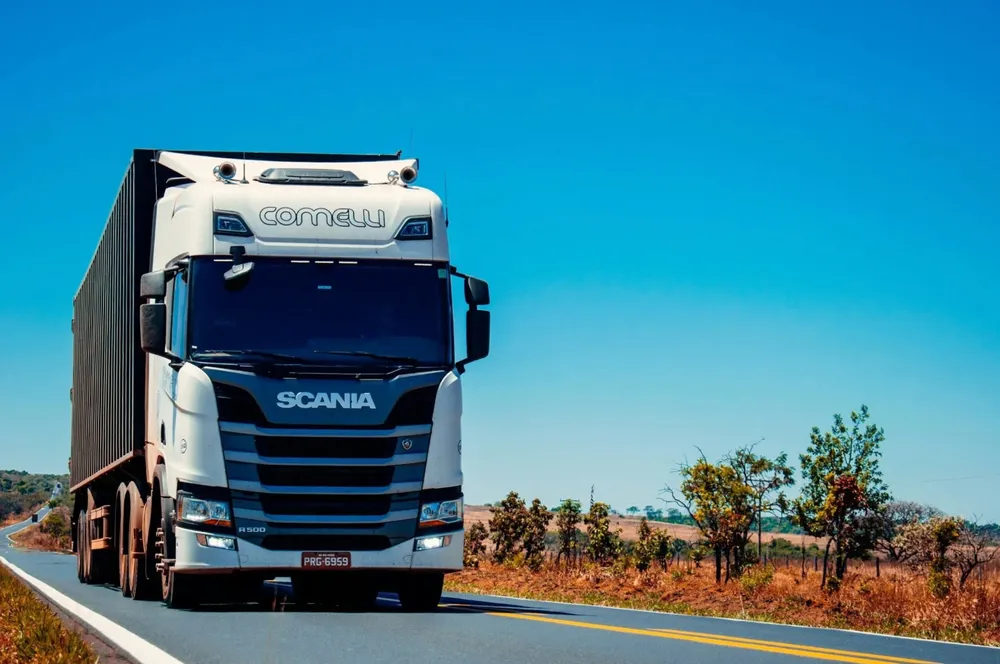
In high-volume logistics, even small differences add up. APS plastic pallets are up to 30% lighter than wood, cutting roughly 2,200 lbs. of dead weight per truckload. That reduction drives 1-2% lower fuel use per trip, translating to millions in annual transport savings across large fleets. Lighter loads also reduce wear on trucks and handling equipment. That means better reliability, longer asset life, and deliveries that stay on schedule.

Lighter by
30%Up to, against wood. Around 2,200 lbs a truckload.Lower Emissions
22 lbsSaved in dieselBuilt to Last
10xLonger lifespan than woodFuel Savings
1-2%Lower diesel use on every tripSavings
$0.45Per load in savingsWeight and fuel
Lightweight Efficiency That Pays Off At Scale
Lighter loads also reduce wear on trucks and handling equipment. That means better reliability, longer asset life, and deliveries that stay on schedule.
Safety and compliance
Minimizing Chargebacks, Maximizing Safety
Plastic pallets eliminate the hygiene and safety risks that come with wood. No nails, no splinters, no mold.
Safer Workspace
Smooth edges, no nails, no splinters and no debris left behind on your warehouse floor. APS pallets are engineered to reduce the handling risks that have sent over 30,000 workers to the ER. A better pallet is also a safer one.
Food & Pharma Ready
Built for the most regulated environments in the supply chain. APS pallets are traceable, audit-friendly, and designed to meet FSMA and pharma compliance standards, so when an auditor walks in, your pallet infrastructure is already working in your favor.
No Contamination Risk
Non-porous, washable, and contamination-resistant by design. Unlike wood pallets that absorb moisture and harbor bacteria, APS pallets give your operation a clean, consistent foundation, supporting GMP compliance from the first mile to the last.
Performance
Proven Performance For Modern Supply Chains
APS pallets deliver consistent dimensions and strength that today's automated systems depend on. They match wood in load-bearing capacity but retain their shape for years, even under heavy use. This consistency reduces jams, minimizes product damage, and keeps conveyor and robotic lines running smoothly, translating directly into time and cost savings.
Prevent Downtime
A warped or broken pallet doesn't just slow things down, it stops your line. APS pallets are precision-engineered to uniform dimensions, eliminating the jams and misfeeds that interrupt conveyor and robotic systems. Less variability at the pallet layer means fewer unplanned stops across your entire operation.
Automation Ready
Modern automated systems are only as reliable as the assets moving through them. APS pallets are built to exact, consistent specifications, working seamlessly with depalletizers, conveyors, wrappers, and robotic handling systems without the adjustments and workarounds that wood pallets demand.
Lower Damage Costs
Inconsistent, degraded wood pallets are one of the leading causes of product damage in transit and at the DC. APS pallets maintain their shape and strength across hundreds of trips, reducing the handling variability that drives damage claims and quietly erodes your margins load after load.

Connected by default
Every Pallet Ships IoT Ready
APS pallets are not just assets, they are connected devices. Each pallet comes IoT ready, equipped with sensors that track movement, temperature, and condition across your network.
Sustainability
Sustainability You Can Measure
Circular logistics starts with the infrastructure moving your goods. APS smart plastic pallets are made from 100% recycled HDPE, built to last up to 10x longer, and part of a closed-loop recovery system that keeps material in circulation and out of landfills. Lighter weight also means lower emissions and a measurable step toward your corporate sustainability goals.
Most of the 3 billion pallets in U.S. circulation are wood, which are costly, wasteful, and inconsistent. APS pallets change that.
Closed-Loop Guarantee
Every APS pallet is built to reuse, repair, and recycle with zero landfill waste. When a pallet reaches end of life, we take it back. That is not a sustainability claim. It is a contractual commitment baked into how we operate.
Lower CO2 Emissions
APS pallets are significantly lighter than traditional wood, reducing the total weight per truckload and the fuel burned to move it. Up to 2,200 lbs lighter per truckload translates into real, measurable carbon savings that support your Scope 3 reporting goals.
+2,000 Trees Saved
For every 40,000 wooden pallets replaced with plastic, more than 2,000 trees are preserved according to U.S. Forestry calculations. At scale, switching to APS is not just an operational decision. It is a measurable environmental one that shows up in your sustainability reporting.
Talk to an APS expert
Ready To See What A Tracked Fleet Would Tell You?
Send us the lanes, the volumes and the compliance regime you answer to. An APS expert comes back with a program scoped to your operation, not a generic deck.