

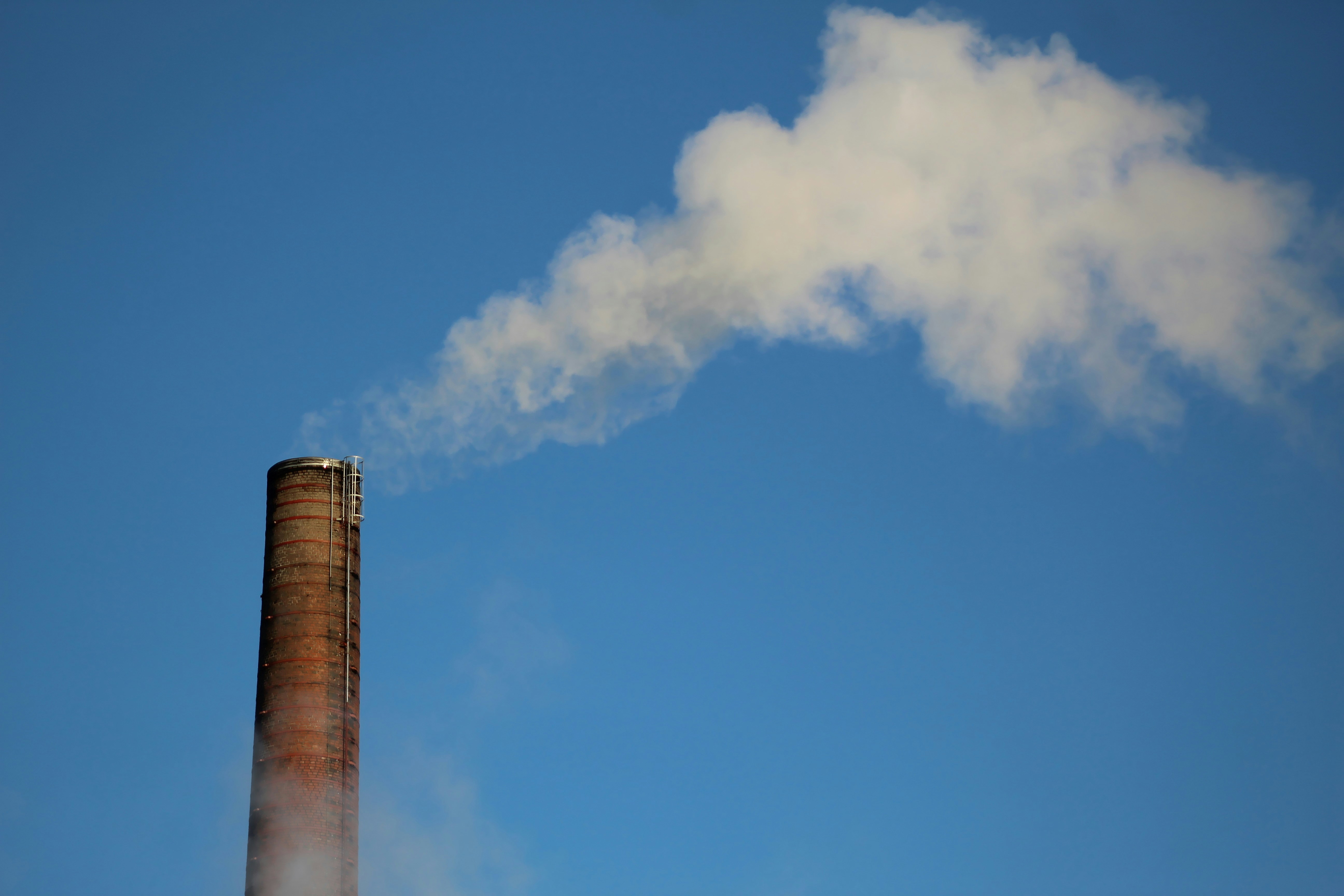
Mandated emissions reporting is far from new or novel, though we in the US have enjoyed a certain level of insulation from it that the rest of the world has not. But that privilege is coming to an end: the fat lady has begun singing, and she’s doing so at the state-level.
California moved first and most decisively. Companies operating within the state’s borders -- and making more than $1 billion in revenue annually -- are mandated by Senate Bill 253 to disclose their Scope 1 and 2 emissions by August this year, and their Scope 3 emissions beginning in 2027. To thicken the plot, all scope disclosures will require independent, third-party assurance, and a firm’s failure to comply with SB 253 will leave them vulnerable to up to $500,000 per year in penalties.
Less than a billion in revenue? SB 261 extends the reach further: companies above $500 million must disclose climate-related financial risks under the TCFD framework. Many companies that clear the SB 253 threshold entirely still have a disclosure obligation under 261, meaning that the two bills together cover most of the large-company landscape operating in California.
California is not an outlier; New York read the same playbook, establishing the Climate Corporate Data Accountability Act that mirrors SB 253 almost line for line (among a fleet of other warehouse emissions and transportation bills). Colorado introduced identical legislation in 2025. Though it didn’t pass, it will be back. So while the SEC may have proposed rescinding its own federal climate disclosure rules last month, the states didn’t pause. Rather, they accelerated, and the companies best positioned when the dust settles won’t be those who scrambled at the deadline.
The Hard Part Isn’t Reporting, It’s the Data
You can file your Scope 1 and 2 numbers without much trouble: the infrastructure for facilities, fleet, and direct energy consumption emissions exists, and the measurements have been standard practice for years.
Scope 3 is where our story takes a turn. Most of the emissions you're required to disclose aren't happening under your roof, but on trucks, at distribution centers you don't operate, in trailers you don't own. States like California are asking you to account for a footprint outside your direct control with enough precision that an independent auditor will sign off on it.
What most companies have to work with are estimates, industry averages applied to their specific situation and hoped to be close enough. For an internal sustainability report -- and until the “good faith effort” clause for Scope 3 emissions reporting ends at the end of the decade -- that was acceptable. But for a disclosure carrying third-party assurance requirements and penalties up to $500,000 a year, it isn't.
Defensible Scope 3 reporting requires traceability through every leg of the journey. That traceability has to start somewhere physical.
What Changes When the Pallet Is Paying Attention
The pallet is the one asset in your supply chain that goes everywhere your product goes. Every handoff, every temperature swing, every mile of road between origin and delivery, no matter what truck your product is on and where it’s going. Until now, it has generated no record of any of it. That is the gap our pallets are designed to close.
Our system doesn't stream data constantly: it's quiet when nothing is wrong, precise when something is. When the pallet is stationary and conditions are normal, the system stays quiet. But when it moves, when temperature crosses a threshold, when half the load it's carrying is suddenly removed, the system wakes up and logs exactly what happened. Timestamped and geolocated.
The result is data concentrated around the moments that actually matter: transit events, environmental exceptions, the handoff points where risk and responsibility transfer from one party to another. Three days with no alerts in a distribution center means conditions held within spec. When an exception fires during the next movement window, the contrast is immediate: the product was fine, and here is the exact moment that changed.
For Scope 3 disclosure, that means an auditable record of conditions across your entire distribution network. Not estimates. Not approximations. Data from the asset that made the entire journey, which turns out to be the most logical place to start.
Sources:
PwC Viewpoint, “California Climate Reporting — SB 253 and SB 261 Explained”
California Legislature, “SB 253 — Climate Corporate Accountability Act,” 2023
California Legislature, “SB 261 — Greenhouse Gases: Climate-Related Financial Risk,” 2023
U.S. Securities and Exchange Commission, “SEC Proposes Rescission of Climate-Related Disclosure Rules,” 2026
ESG Today, “California's SB 253 Just Made Your Carbon Data a CFO Problem,” 2026
PwC, “How Internal Controls Can Help Transform Your Sustainability Reporting”
New York State Senate, “S9072A — Climate Corporate Data Accountability Act,” 2025
Colorado General Assembly, “HB25-1119 — Require Disclosures of Climate Emissions,” 2025
California Legislature, “AB 1777 — Air Pollution: Indirect Sources,” 2025
New York State Senate, “S1180A — Indirect Source Review for Heavy Distribution Warehouse Operations,” 2025.